


In the last quarter of a century, various platforms have come and gone. Group N was arguably the most popular, with Subaru and Mitsubishi the go-to for most.
In the late 2000s and early 2010s, some competitors flirted with the Super 2000 formula that supported the top-flight FIA World Rally Championship.
Ford and Skoda were the most popular makers with Mini and Peugeot also featuring.
R5 followed Super 2000 but then came the idea of a formula focused on the Asia-Pacific region, dubbed AP4. It was enormously popular in New Zealand from its inception and some of that fever made it to Australia.
The cost-effective AP4 cars could be built by anyone for a fraction of the cost of an R5 car, the platform that later morphed into Rally2.
The cars were prolific across the ditch with the Hyundai i20, Mazda 2, Skoda Fabia, Toyota Yaris, Audi A3, and Mitsubishi Mirage among the most popular models.
Secure your spot today.
In Australia, the Yaris was the most successful car in the hands of the Bates family. However, they’ve joined an increasing number of Rally2 competitors.
As the name suggests, Rally2 cars are one step below the top-flight Rally1 cars in the FIA World Rally Championship.
Rally2 has been the domain of the FIA European Rally Championship and the cars have proliferated the rallying scene globally.
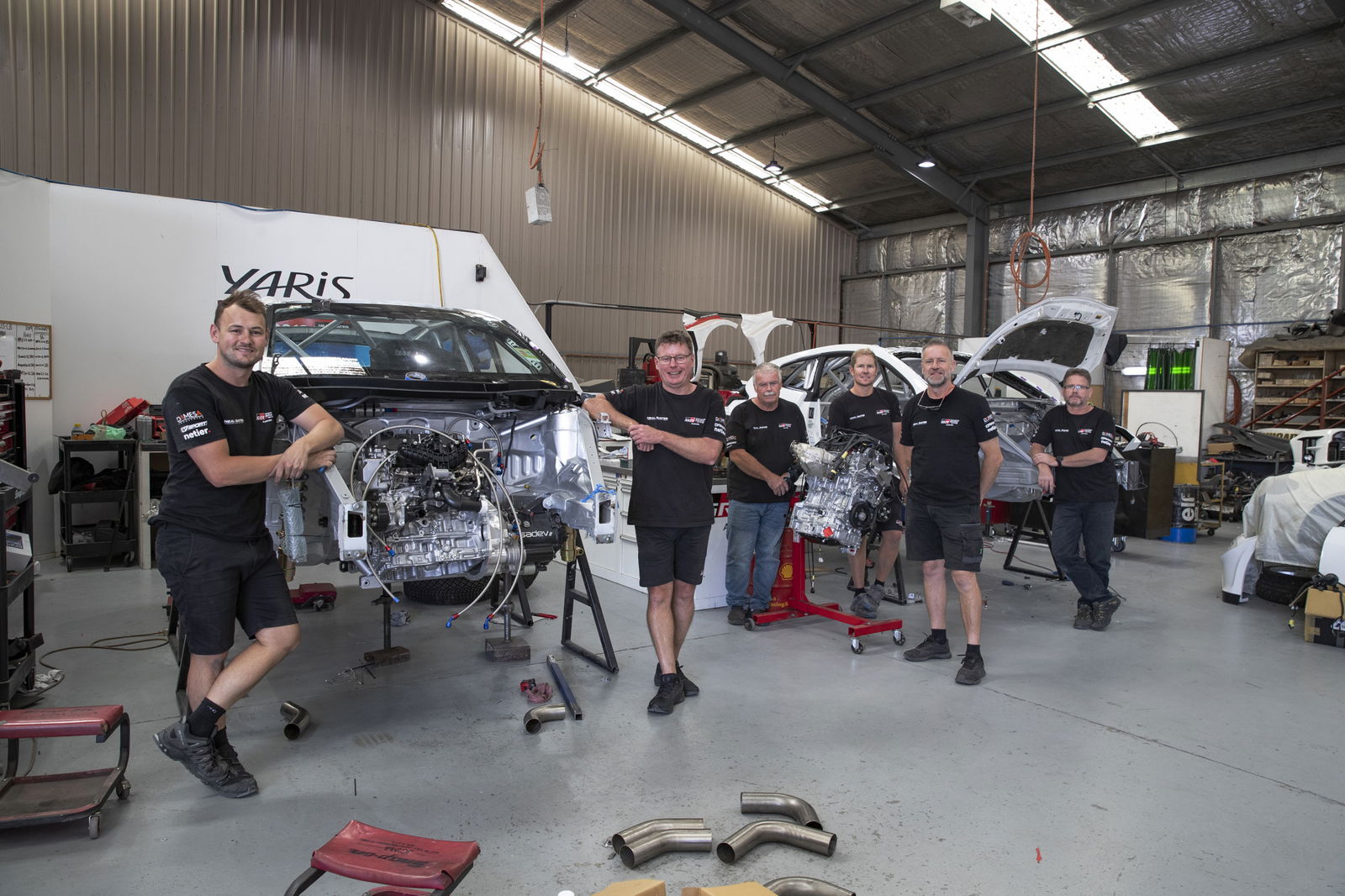
While perhaps not quite as cost-effective as the AP4 machines, the cars are built by manufacturers, are well-refined, and have parity between the brands.
Toyota is one of the most popular manufacturers in WRC2 with its Yaris alongside the Citroen C3, Ford Fiesta, Hyundai i20, and Skoda Fabia.
On the transition from AP4 to Rally2, Bates said the cost difference is noticeable but not egregious.
Ultimately, AP4 was a good stepping stone for Australia and New Zealand off the back of the highly-successful Group N regulations.
“If you look at AP4, it was a really good bridge for Australia and New Zealand, because bringing Rally2 machinery to this side of the world is more expensive,” Toyota Gazoo Racing Australia driver Harry Bates told Speedcafe.
“That’s why there’s always a delay with new categories in Australia, I think. They definitely served a purpose for the intermittent period.
“For us, we wouldn’t have been able to have a rally car to compete in if it weren’t an AP4 car, because as of a year ago, there was no Toyota Rally2 offering.
“AP4 cars are marginally cheaper. Having said that, we put a lot of time into our AP4 cars in terms of development and that side of it we probably don’t account for in the final cost properly,” Bates added.
“So if you look at what you’ve got in a Rally2 car, yes, there’s an upfront cost that’s relatively high, but once you’ve got it here, it’s a fully developed package ready to go, whereas if you look at AP4 cars, you’ve got varying levels of them in Australia and New Zealand, and the majority of them are still not quite on the pace of a Rally2 car.
“They definitely have served a purpose like I said, but certainly here and now looking at the way that the domestic rally all over the world is going, Rally2 is a pretty solid category, I think.”
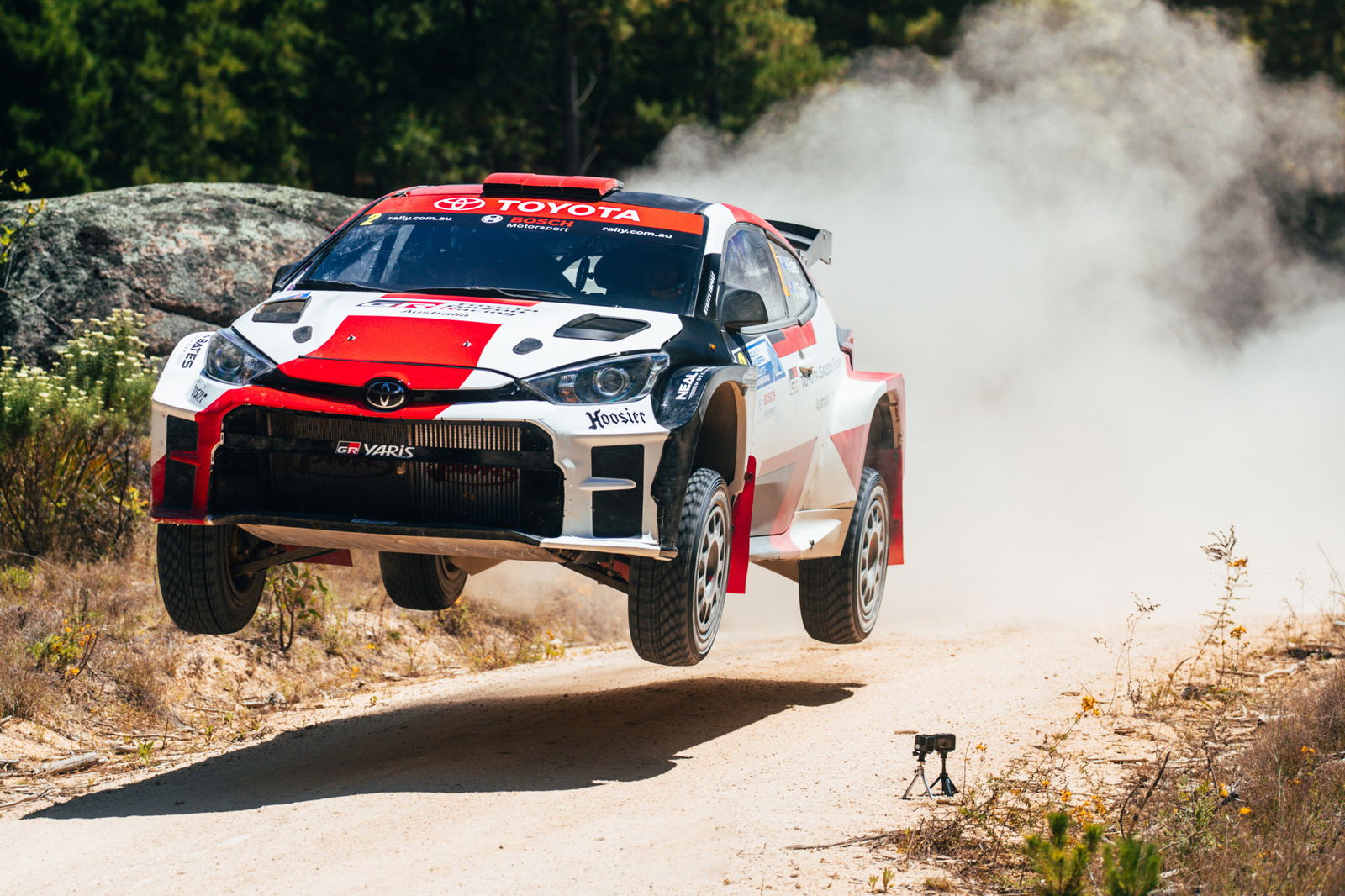
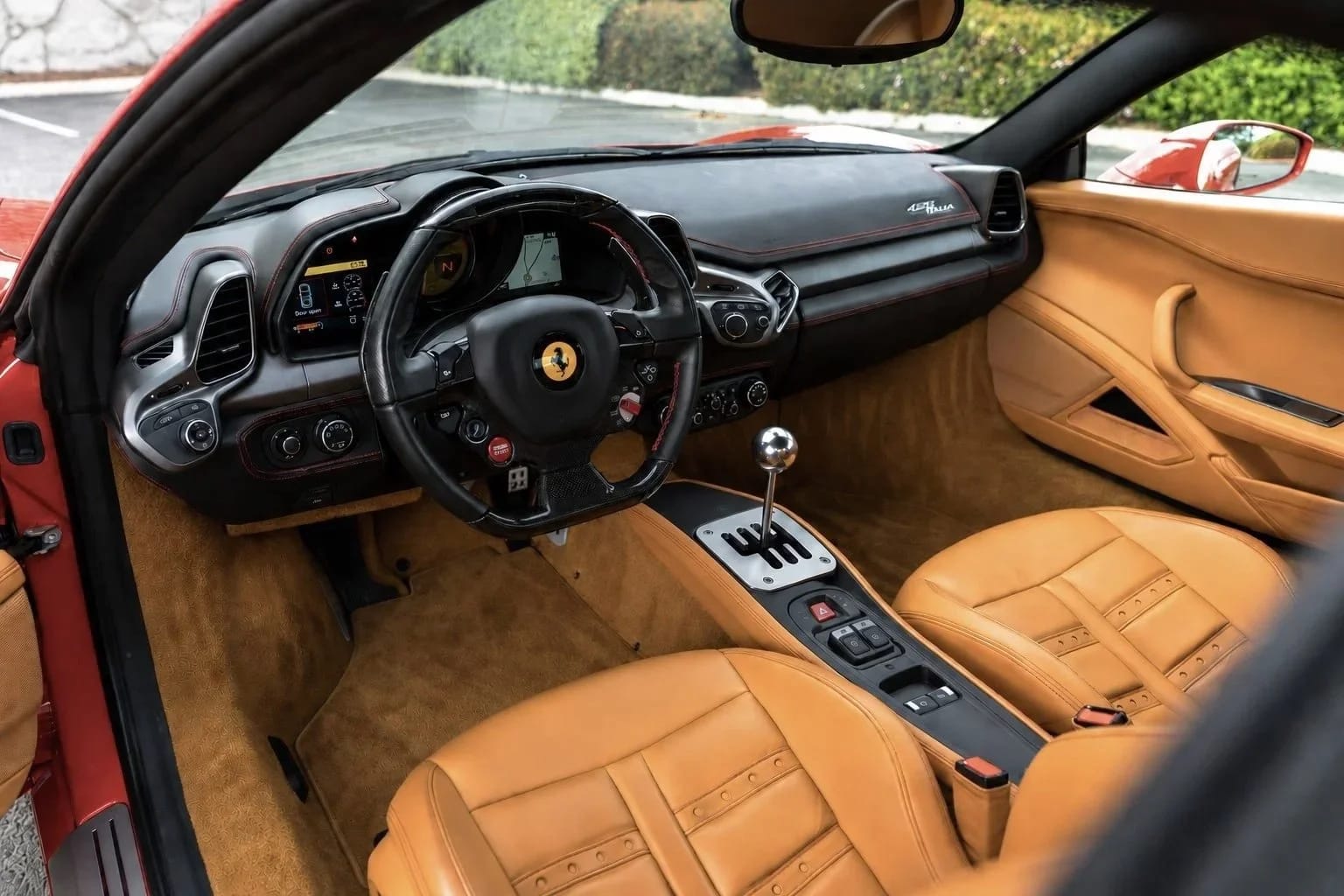
Stepping into a Rally2 car, the difference is noticeable – whether that’s the cockpit refinement or the handling.
On top of that, the cars come with all the bells and whistles of a factory-built car, including a ‘how to’ manual.
“This is relatively new for us, but at the same time, I think what a Rally2 car has to offer is a fully developed package for any driver to go and use,” said Bates.
“Whether you’re Hayden Patton, whether you’re Harry Bates, whether you’re Tom Clark, or even someone who’s never done rallying before, if you’ve got the money to go and buy one, they’re actually a really good thing to drive because they’re purpose-built and they come with a manual to teach you how to run them. For a local team, they’re a very good thing, I reckon.”
Just a handful of Rally2 cars compete in the Australian Rally Championship alongside the older R5 and AP4 cars.
This year’s field of Rally2 competitors includes the Bates brothers, a trio of Hyundais driven by Hayden Paddon, Alex Rullo and Peter Rullo as well as Scott Pedder in a Skoda.
“I think the ARC has been on a really solid growth trajectory for a few years now – and as you say, quality over quantity,” said Bates.
“We’ve now got quite a few cars in the top 10 that can challenge for wins and then if you look at that top half of the top 10, I guess it’s Hayden [Paddon], Scott [Pedder], Lewis [Bates], Alex [Rullo] and myself – those stage times are gonna be really tight between the five of us.
“If you make a mistake, you’ll find yourself outside the top five for sure. That’s exciting for us, and it’s also very exciting for the fans.”

Bates said there is no shortage of Rally2 cars in the country. It’s just a case of getting them to compete in the championship.
“We’d love to see more Rally 2 cars in Australia. There’s probably about 15 total in the country, and only about 10 of them are doing the ARC this year,” he explained.
“It would be great to see that growth trajectory continue. But either way, to have the likes of the names I’ve just mentioned competing against each other is good for the championship because it will bring a level of interest.”
“I hope there are more Rally2 cars coming into Australia. I think the championship deserves more Rally2 cars than it’s currently got.
“At the same time, if you look at the number of cars already in the country, we actually just need those people to come out and compete in the ARC.
“Hopefully this year we can show that the sport’s growing in interest and also growing in sort of eyeballs on it and maybe that’ll entice a few people to come out next year.”
The EROAD Australian Rally Championship continues with Rally Gippsland on August 22-24.















Discussion about this post